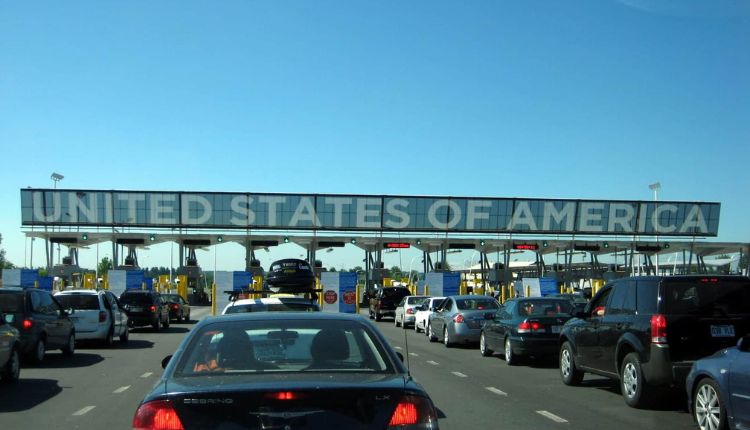
Spanning several states, Interstate 94 plays a vital role in travel, transportation, commerce, and tourism. Whether you’re a daily commuter, a long-distance traveller, or someone exploring America’s highway systems, understanding the structure, importance, and safety aspects of I 94 USA is extremely valuable.
This article examines the history, routes, traffic behaviour, safety tips, weather concerns and travel advisories along I-94. It is written in a simple, SEO-friendly way to help readers get clear and useful information.
History and Development I 94 USA
I-94 was built as part of the original Interstate Highway System approved in 1956. As one of the first long-distance routes, it was designed to connect the Great Lakes region with the northern plains and western states. Development took place in sections over several decades, in line with the needs of expanding cities and trade networks.
Over time, I 94 USA has become one of the busiest highways in the Midwest, serving millions of vehicles each year. Its development improved interstate commerce and allowed goods to move quickly between Chicago, Detroit, Minneapolis, and other major centres.
States and major cities connected by I 94 USA
The highway stretches across seven US states, including:
- Michigan
- Illinois
- Indiana
- Wisconsin
- Minnesota
- North Dakota
- Montana
Along this route, it connects several major cities such as:
- Detroit, Michigan
- Chicago, Illinois
- Milwaukee, Wisconsin
- Minneapolis and St. Paul, Minnesota
- Fargo, North Dakota
- Billings, Montana
This makes I 94 USA a key corridor for both passenger traffic and the commercial trucking industry.
Why is US I 94 important for travel and transportation
I 94 USA is more than just a road—it’s an economic lifeline. Many industries rely on this route for supply chain operations. The agricultural sector uses it to transport crops from Midwestern farms, while the manufacturing industry uses it to transport auto parts and finished vehicles from Detroit and Chicago.
For local travellers, I-94 connects suburbs, small towns and big cities, making commuting easy. Its importance also extends to tourism, where travellers use the highway to access national parks, lakeshore areas, and vacation destinations in various states.
Normal traffic conditions on US I 94
Because I 94 USA passes through many major cities, traffic patterns can vary. Urban areas such as Chicago and Detroit often experience severe congestion during rush hour. Rural sections, particularly in North Dakota and Montana, typically see lighter traffic but can have issues such as long distances between services.
Traffic conditions can also be affected by accidents, construction and weather. Winter storms often affect I-94, especially in Minnesota, Wisconsin, and North Dakota, where snow and icy roads cause delays or closures.
Weather Challenges Along I 94 USA
The northern United States experiences diverse and extreme weather that greatly affects travel on I 94 USA.
Winter conditions
Snow, blizzards and ice are common from November to March. These conditions increase the risk of accidents, reduce visibility and can lead to emergency closures.
Summer storm
Thunderstorms, heavy rain and flooding are possible in the Midwest. Sudden downpours often cause aquaplaning, while strong winds can affect high-profile vehicles such as trucks.
Fog and temperature drops
Fluctuations in temperature, especially near lakes, cause patches of fog that reduce visibility. Drivers must exercise caution and adjust their speed accordingly.
Understanding these weather patterns helps travellers better prepare before starting their trip on I-94.
Safety tips for travelling on US I 94
Since I 94 USA can be unpredictable due to traffic and weather, the following safety tips will ensure a smoother trip:
- Always check the current weather information before driving
- Keep your headlights on in snow, rain or fog
- Avoid sudden braking on icy roads
- Keep a safe distance from large trucks
- Plan fuel stops in rural areas
- Use GPS navigation for real-time updates
- Be careful in construction zones
These measures can significantly reduce risks on busy or dangerous portions of US I 94.
Major landmarks and attractions along US I 94
This highway passes near many iconic places worth exploring:
- Lake Michigan shoreline areas
- Museums and breweries in Milwaukee
- Mall of America near Minneapolis
- Theodore Roosevelt National Park in North Dakota
- Detroit Auto Museums and Riverfront District
For tourists, I 94 USA offers a great combination of urban attractions and natural beauty.
Emergency Services and Support Along I-94 US
Passengers have access to various support systems on the motorway. Highway patrols monitor traffic, respond to accidents and help stranded motorists. Rest areas are located at regular intervals and offer facilities such as restrooms, picnic areas, and parking areas.
Many states also provide road information mobile apps or websites that help drivers get real-time updates on closures, accidents and weather warnings on I-94.
Construction and ongoing improvements on I 94 USA
With millions of vehicles using this highway every year, maintenance and upgrades are ongoing. Construction projects often include:
- Bridge repairs
- Restoration of the road surface
- Lane widening
- Installation of a safety barrier
These improvements help ensure that US I 94 remains reliable for future generations.
The Bottom Lines
US Highway I 94 is an essential route connecting the northern United States that supports travel, commerce, and tourism. Its long stretch across several states makes it a versatile road used by millions of people every year. From bustling urban areas to quiet rural landscapes, I-94 reflects the country’s diversity and dynamism. By understanding its structure, challenges, safety tips and importance, travellers can navigate it more confidently and safely.
Frequently asked questions
1. Which states do I pass through in the USA?
It passes through Michigan, Illinois, Indiana, Wisconsin, Minnesota, North Dakota and Montana.
2. Why is I-94 important?
It supports the transportation of goods, connects major cities and acts as the primary travel route for millions of passengers.
3. Is I-94 dangerous in the winter?
Yes, winter conditions like snow and ice can make travel dangerous, especially in Minnesota, Wisconsin, and North Dakota.
4. Are there rest stops on I-94?
Yes, every state along I 94 USA provides rest stops with basic amenities for travellers.
5. How can I check for I-94 traffic updates?
Drivers can use GPS apps, state transportation websites, or local news services for up-to-the-minute traffic and weather information.